How a General Dentist in Santa Clarita CA Supports Lifelong Oral Health

Oral health is not a one-time project. It changes with age, habits, medical history, diet, stress levels, medications, and the simple wear that comes from using your teeth every day. A child who needs sealants and guidance on brushing does not have the same needs as a parent dealing with sensitivity, or a retiree managing dry mouth and worn restorations. That is where a general dentist becomes central, not only as a treatment provider, but as a long-term health partner.
A skilled General dentist Santa Clarita CA does far more than clean teeth and fill cavities. In day-to-day practice, general dentistry often means tracking subtle changes over time, helping patients make decisions before problems become painful or expensive, and building enough trust that people keep coming back consistently. That last part matters more than many realize. The best dental care is often not dramatic. It is steady, preventive, and tailored to the person sitting in the chair.
In a community like Santa Clarita, where families, working professionals, teens, and older adults all bring different demands to the schedule, general dentistry has to be practical. Appointments need to fit real lives. Treatment plans need to weigh urgency, budget, long-term value, and comfort. Lifelong oral health is built in those ordinary decisions.
Oral health is cumulative
Dentistry has a memory. A small bite imbalance from years ago can contribute to cracked enamel later. A history of skipped cleanings can show up as deeper pockets and inflamed gums. Grinding during stressful periods can flatten teeth little by little, until chewing feels different and the jaw starts to ache. None of these changes happen overnight.
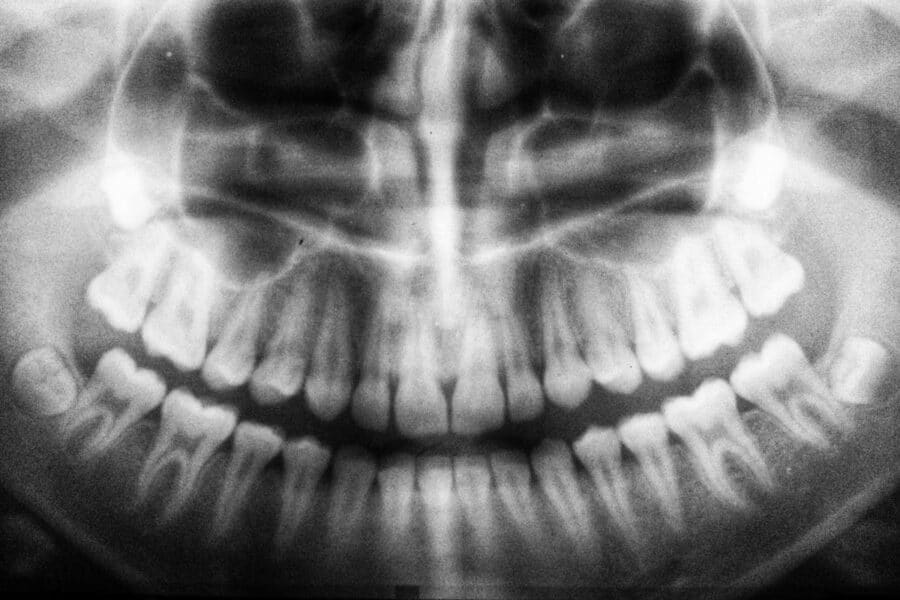
That cumulative effect is why continuity matters. When the same general dentist or practice sees a patient over several years, patterns become easier to catch. A single X-ray might show a tooth that looks stable. A series of X-rays over five years may reveal slow bone loss, an enlarging cavity, or a failing margin around an old filling. Those details guide better decisions.
Patients are often surprised by how much can be learned from comparison. A tiny craze line on a front tooth may simply be monitored. Mild gum bleeding may be the first sign that home care needs to improve or that more frequent periodontal maintenance is needed. Slight recession might relate to brushing too hard, clenching, or gum disease. These are not always emergencies, but they are exactly the kinds of changes that shape long-term oral health.
What lifelong support really looks like
Many people hear the phrase "comprehensive care" and think of a long menu of services. In practice, lifelong support is less about quantity and more about timing and judgment. Good general dentistry means knowing when to watch, when to intervene early, and when to refer to a specialist.
A child might start with routine exams, cleanings, fluoride, and sealants on the back molars. During adolescence, the focus may shift to orthodontic monitoring, sports mouthguards, wisdom tooth evaluation, and extra coaching around diet, especially with sports drinks and frequent snacking. Adults often need maintenance for fillings, crowns, gum health, grinding, cosmetic concerns, and changes related to pregnancy, stress, or chronic conditions. Older adults may face root decay, dry mouth from medications, worn restorations, and more complex coordination with medical providers.
The general dentist becomes the clinician who sees all those transitions. That longitudinal perspective is valuable. It turns isolated procedures into a coherent strategy.
Prevention is the quiet work that saves teeth
Most major dental problems begin small. Cavities usually start as areas of demineralization. Gum disease often begins with mild gingivitis. Cracked teeth may start as occasional sensitivity or a barely visible fracture line. Prevention is effective precisely because it addresses these early stages, before treatment becomes more invasive.
Routine exams and professional cleanings are the obvious part, but preventive dentistry goes further. It includes evaluating bite forces, reviewing home care techniques, checking old restorations, screening for oral cancer, noting signs of acid erosion, and looking at soft tissues and jaw function. A patient who brushes twice a day can still develop decay if they sip sweetened coffee for hours. Another patient may have excellent brushing habits but still struggle with inflamed gums because of crowded teeth, smoking, or diabetes.
An experienced dentist does not give every patient the same speech. Advice should be specific. Someone with recurring cavities may need a conversation about frequency of sugar exposure rather than simply hearing "brush better." A patient with recession might need a softer brush, gentler technique, and management of nighttime grinding. A teenager with spotless teeth but frequent soda use may need a frank discussion about enamel erosion before irreversible damage appears.
That is the kind of preventive care patients remember because it applies to their lives, not a generic checklist.
The value of early treatment decisions
One of the most overlooked benefits of seeing a general dentist regularly is the chance to choose smaller, simpler treatments. A cavity caught early may be restored with a conservative filling. The same tooth, ignored for a few years, may require a crown, root canal treatment, or extraction. The cost difference can be substantial. So can the difference in discomfort, chair time, and long-term prognosis.
This is especially true with cracked teeth. Patients often describe a sharp twinge when biting on something firm, then say it goes away for weeks. That inconsistency leads many to delay evaluation. Yet fractures tend to worsen under pressure. Early management might mean adjusting the bite or placing a crown before the crack deepens. Waiting can turn a manageable problem into a painful emergency.
Gum disease follows a similar pattern. In its earlier stages, the focus may be improved hygiene, more frequent cleanings, and localized periodontal treatment. Advanced disease is much harder to stabilize and may lead to mobility, bone loss, and tooth loss. Once supporting structures are lost, dentistry can repair some consequences, but it cannot fully restore the original natural foundation.
A thoughtful general dentist helps patients understand those trade-offs without using fear as a tactic. The goal is clarity. People make better decisions when they know what is likely to happen if they proceed now versus later.
How general dentistry supports whole-body health
The mouth is not separate from the rest of the body. Dentists regularly see links between oral conditions and systemic health, even when those links are not obvious to patients. Inflamed gums can be harder to control in people with diabetes. Dry mouth, often caused by medications, can rapidly increase cavity risk. Acid reflux may leave a distinct pattern of enamel erosion. Sleep-related grinding may https://blogfreely.net/jakleyqodw/the-everyday-benefits-of-seeing-a-general-dentist-in-santa-clarita-ca point to stress, airway issues, or sleep disruption.
General dentists also screen for changes that deserve medical attention. Ulcers that do not heal, tissue changes, unexplained bleeding, severe dry mouth, or signs of infection may require follow-up beyond dentistry. Good care includes knowing where dental treatment ends and medical collaboration begins.
Pregnancy is another common example. Hormonal changes can increase gum sensitivity and inflammation, and morning sickness can expose enamel to stomach acid. A pregnant patient may need modified recommendations for home care, timing of treatment, and diet. The dental office becomes part of a larger care picture, not an isolated service.
For older adults, this connection grows even more important. Medications for blood pressure, depression, allergies, chronic pain, or sleep disorders often reduce saliva flow. Saliva is protective. It buffers acids, helps remineralize enamel, and washes food particles away. When saliva decreases, root surfaces and margins around older crowns become more vulnerable. Without regular monitoring, decay can accelerate quickly.
Children, teens, and the foundation years
Lifelong oral health often depends on habits formed early. A general dentist who treats families has the chance to influence not just a child's teeth, but the routines that shape their future health. That includes helping parents understand what matters most at each age.
For younger children, visits should create familiarity rather than fear. A calm first experience can make a major difference. When children associate dental appointments with predictability and encouragement, they tend to cooperate better and avoid the cycle of delay that begins with anxiety. In many practices, the most successful approach is simple language, short explanations, and praise for effort rather than perfection.
As children grow, preventive needs evolve. Permanent molars may benefit from sealants because their grooves can trap debris even in kids who brush well. Orthodontic concerns may become clearer. So do dietary patterns. It is not unusual to see a teenager with few visible hygiene issues but early enamel wear from sports drinks, sour candy, or energy drinks. These are not abstract risks. They show up in the chair as smooth, thinning enamel, sensitivity, and shortened edges.
General dentists also help families navigate edge cases. A child may have a delayed eruption pattern that is normal but needs observation. Another may need referral for orthodontics earlier than expected. Some children gag easily, struggle with sensory input, or need extra time to become comfortable. Real-world family dentistry is rarely one-size-fits-all.
Adult care is often about maintenance, not rescue
For many adults, the biggest oral health challenge is not neglect. It is accumulation. Old fillings wear down. Crowns age. Gums recede slightly. Stress increases clenching. Schedules get crowded, so small issues are postponed until they become disruptive.
A general dentist often spends as much time maintaining past work as treating new disease. That may mean replacing a leaking filling before decay deepens, adjusting a bite that is overloading one tooth, fabricating a night guard, or monitoring a tooth with borderline symptoms. Patients sometimes assume that if something does not hurt, it is stable. Dentistry is full of exceptions. Many failing restorations are painless until the damage is advanced.
Work-related habits matter too. People who sip coffee with sugar throughout the morning, snack at a desk, or breathe through the mouth during long shifts can see predictable effects on their teeth and gums. The practical value of general dentistry lies in connecting those habits to visible findings. When patients understand why their mouth looks the way it does, recommendations feel grounded rather than arbitrary.
Here are a few situations that should prompt an earlier visit rather than waiting for the next routine exam:
- Bleeding gums that persist for more than a week or two
- A tooth that hurts with biting, heat, or cold
- Sensitivity near the gumline that is getting worse
- A chipped filling, crown, or broken tooth edge
- Persistent bad breath or a bad taste with no clear cause
These symptoms do not always signal a major problem, but they are rarely improved by ignoring them.
Older adults need a different kind of vigilance
As patients age, dental care becomes more nuanced. Teeth that have functioned well for decades may now show wear, cracks, recession, and fatigue in existing restorations. Medical histories become more complex. Manual dexterity may decline, making flossing harder. Medications multiply. Appetite and diet may change, sometimes toward softer, more carbohydrate-heavy foods.
Root decay becomes more common because exposed root surfaces are softer than enamel and more vulnerable when saliva is reduced. Partial dentures and full dentures require periodic evaluation, even when they still "fit well enough." Poorly fitting prosthetics can irritate tissue, compromise chewing, and contribute to nutritional issues. For patients with implants, maintenance is just as important as for natural teeth. Implants do not decay, but the tissues around them can become inflamed and lose support.
This stage of care often requires a practical mindset. A general dentist may recommend phased treatment, prioritizing comfort, function, and infection control over elective cosmetic changes. The right plan for a healthy 45-year-old may not be the right plan for an 82-year-old managing arthritis and several chronic medications. Lifelong oral health is not about applying the same standard forever. It is about adapting wisely.
The relationship between trust and better outcomes
One reason general dentistry matters so much is that people are more honest with clinicians they trust. They mention the occasional jaw pain, the sensitivity they hoped would pass, the fact that they stopped wearing the night guard, or the fear that kept them away for three years. Those details change care.
Trust also makes prevention easier. Patients are more likely to accept conservative recommendations when they do not feel pressured. They ask questions. They return for follow-up. They understand why a dentist wants to monitor a tooth instead of drilling immediately, or why a crown makes more sense than repeatedly patching a large filling.
In established practices, this trust often extends across generations. A dentist may first see a patient as a child, then later treat them as a college student, young professional, parent, and eventually grandparent. That continuity has real clinical value, but it also changes the tone of care. The dental office becomes familiar territory rather than a place people visit only in discomfort.
Why local context matters in Santa Clarita
Dentistry does not happen in a vacuum. Local communities shape patient needs. In Santa Clarita, many families juggle school schedules, sports, commuting, and work demands. That affects how and when people seek care. Missed maintenance often has less to do with indifference than logistics. A practice that understands this tends to build systems that support consistency, such as thoughtful scheduling, clear treatment sequencing, and realistic home-care guidance.
Climate and lifestyle can matter too. Dry conditions, mouth breathing, outdoor athletics, and frequent use of sports drinks can contribute to dehydration and enamel challenges in some patients. Teen athletes may need custom mouthguards. Adults under sustained work stress may present with clenching, headaches, and fractured enamel. These are ordinary realities in a suburban family community, and general dentistry works best when it responds to them specifically.
Choosing a General dentist Santa Clarita CA is partly about credentials and services, but it is also about fit. Patients benefit from a clinician who understands the pace of local life and can translate dental recommendations into routines people can actually maintain.
Daily habits still do most of the work
Dental visits are important, but the mouth is lived in at home. The most successful patients are rarely the ones with perfect genetics. More often, they are the ones with workable habits that they can sustain year after year. Those habits do not have to be elaborate. They need to be consistent and appropriate for the person's risk level.
A general dentist may tailor home-care advice in ways that sound small but matter over time. One patient needs fluoride toothpaste and fewer sipping episodes. Another needs interdental brushes because floss is unrealistic with their bridgework. Another needs a night guard worn four nights a week instead of an idealized seven that never happens. Practical care beats aspirational care almost every time.
The basics still carry most of the weight:
- Brush thoroughly twice a day with fluoride toothpaste
- Clean between the teeth daily in a way you will actually maintain
- Limit frequent sugar and acid exposure, especially from sipping habits
- Keep regular exams and cleanings based on your risk, not a generic schedule
- Report changes early, before pain forces the issue
Those habits sound ordinary because they are. Their power comes from repetition.
A long view changes the dental experience
When patients think of dentistry only as a response to pain, care becomes episodic and stressful. When they see it as ongoing support, the experience changes. Appointments become check-ins, maintenance, and course corrections rather than emergencies. Treatment becomes more conservative. Costs are often easier to manage because fewer problems spiral into major repairs. Most importantly, natural teeth and healthy supporting tissues have a better chance of lasting.
This long view is what a general dentist provides best. Specialists play an essential role, but the general dentist is usually the one coordinating care, spotting patterns, maintaining health between major events, and helping patients make grounded decisions over time. That role is especially valuable for families who want stability, older adults who need nuanced care, and busy professionals trying to stay ahead of problems.
Lifelong oral health is not built through occasional heroics. It is built through attentive monitoring, timely treatment, honest conversations, and habits that hold up in real life. A trusted general dentist helps make that possible, year after year, one practical decision at a time.
Smyle Dental Newhall
Address: 23754 Newhall Ave, Santa Clarita, CA 91321
Phone number: +16612559200
FAQ About General dentist Santa Clarita CA
What does it mean by general dentist?
A general dentist is your primary dental care provider. They focus on the overall prevention, diagnosis, and treatment of your daily oral health needs. Think of them as your primary care doctor, but for your teeth and gums.
What is the difference between a dentist and a general dentist?
A dentist is a broad professional title for any licensed oral healthcare provider, while a general dentist is a specific type of primary care dentist who focuses on routine, preventive, and everyday treatments.
What is the difference between a dentistry practitioner and a dentist?
A dentist is a licensed doctoral-level healthcare professional, whereas a dental practitioner is a broader umbrella term that can include dentists as well as other trained oral health professionals.