How a General Dentist Handles Common Dental Concerns
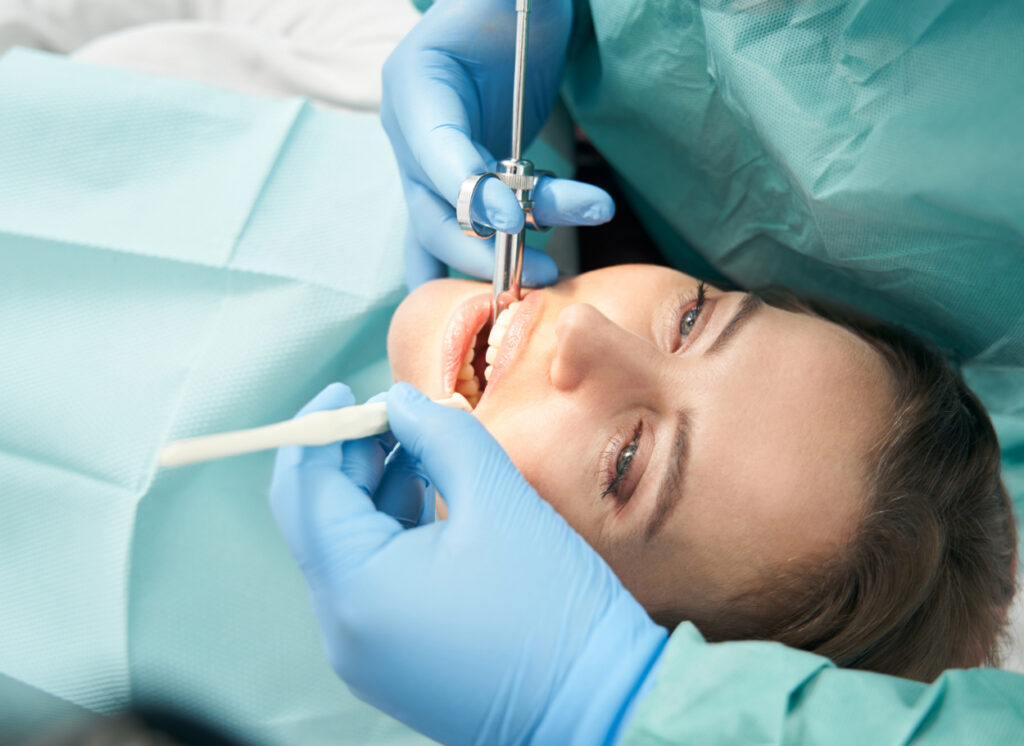
Most people do not walk into a dental office thinking in diagnostic categories. They come in saying a tooth feels sensitive when they drink coffee, their gums bleed when they floss, a filling fell out over the weekend, or their child has a dark spot on a back molar. That is where a general dentist does some of the most valuable work in healthcare, translating vague symptoms into a clear plan, often before a problem becomes more expensive, more painful, or harder to treat.
A good general dentist is not simply there to clean teeth and fill cavities. The role is broader and more practical than that. In everyday practice, a general dentist is often the first clinician to identify decay, gum disease, grinding, cracked teeth, bite problems, dry mouth, oral infections, and even suspicious tissue changes that need a closer look. The job sits at the point where prevention, diagnosis, treatment, and long-term maintenance meet.
That matters because common dental concerns rarely stay small on their own. A bit of sensitivity can turn out to be a worn enamel surface, but it can also be the early sign of a crack, a failing filling, gum recession, or decay that has reached dentin. Bleeding gums might reflect rushed brushing technique, but persistent bleeding can also point to inflammation that, left untreated, gradually affects the bone that supports the teeth. The routine nature of these complaints is exactly why they deserve careful attention. Familiar does not mean harmless.
What happens before treatment begins
The public often imagines dental treatment as immediate intervention, a quick decision followed by a procedure. In reality, the best care usually starts with listening and pattern recognition. General dentists ask where the problem is, how long it has been present, what triggers it, whether it is getting worse, and whether there has been prior treatment on the same tooth or area. Those details shape the whole appointment.
A patient who says, “It hurts only when I bite down, then lingers for a second,” presents differently from someone who says, “Cold air makes it ache all day.” One description raises concern about a crack or a high bite. The other leans toward decay, exposed root surface, or nerve irritation. The difference is subtle, but important.
Then comes the clinical exam. This can include looking for visible decay, checking old fillings and crowns for gaps or fracture lines, measuring gum pockets, testing teeth with cold, taking radiographs when needed, and evaluating how the upper and lower teeth come together. A general dentist is constantly sorting through possibilities, ruling things in and out before recommending treatment. Patients sometimes assume a delay means uncertainty. Often it means discipline. Dentistry works best when the diagnosis is precise.
Toothaches are common, but the causes vary
Tooth pain is one of the most frequent reasons people call a dental office. It is also one of the most misunderstood. People often assume a painful tooth must need a filling, but pain can come from many sources, including sinus pressure, clenching, gum inflammation, a cracked cusp, food trapped between teeth, or a nerve inside the tooth that has become inflamed or infected.
When a general dentist evaluates a toothache, the goal is not merely to stop the pain that day. The goal is to identify whether the tooth can be restored predictably and what level of treatment is actually required. A small cavity caught early may need only a conservative filling. A deeper cavity close to the nerve may require a different conversation, because once bacteria or inflammation reach the pulp, the treatment may shift toward root canal therapy or extraction, depending on the condition of the tooth.
Patients are sometimes surprised that the tooth they feel is hurting is not always the tooth causing the problem. Pain can radiate. Lower molars can refer discomfort toward the ear or jaw. Upper back teeth can feel sore when sinus congestion is involved. This is where https://6920812394030.gumroad.com/p/how-a-general-dentist-helps-you-avoid-dental-emergencies experience matters. A general dentist learns to look beyond the obvious symptom and test neighboring teeth and surrounding tissues instead of treating the first spot a patient points to.
There is also judgment involved in timing. Not every painful tooth needs immediate drilling. If pain appears to come from a recent bite trauma, for example after a new filling that is slightly high, a simple adjustment may solve it. If sensitivity is caused by recession and aggressive brushing, fluoride varnish, desensitizing toothpaste, and technique changes may be more appropriate than restoration. Good dentistry is rarely about doing more. It is about doing what fits the diagnosis.
Cavities rarely appear out of nowhere
Decay is still one of the most common issues a general dentist treats, but the picture is more nuanced than many people realize. Cavities are not simply “bad spots” that happen randomly. They develop when bacteria, fermentable carbohydrates, tooth surface vulnerability, and time line up often enough to break down enamel and dentin.
That is why two patients with similar hygiene habits can have very different cavity histories. One may have deep grooves in molars that trap plaque easily. Another may take a medication that reduces saliva. A third may sip sweetened coffee throughout the day rather than consume sugar at mealtimes. Saliva, diet frequency, fluoride exposure, existing restorations, and oral anatomy all influence risk.
A general dentist does more than identify the hole and place the filling. The broader task is figuring out why the cavity formed, and whether this is an isolated event or part of a pattern. If a patient in their forties suddenly develops root decay near the gumline after years of low cavity risk, that change prompts questions. Has dry mouth developed? Has gum recession exposed softer root surfaces? Has brushing become more abrasive? Are there new dietary habits, such as frequent cough drops or sports drinks?
Treatment choices also depend on how advanced the lesion is. Early enamel demineralization may sometimes be managed noninvasively with fluoride, improved hygiene, and diet changes, especially if the surface is not yet cavitated. Once the tooth structure has broken down, restoration is generally the more predictable route. The size, location, and load on that tooth determine whether a composite filling is appropriate or whether a larger restoration should be discussed.
Patients often appreciate hearing the practical side of this. A small filling placed early tends to preserve more natural tooth and usually costs less than waiting until the same tooth needs a crown. That is not a sales pitch. It is the geometry of damage. Teeth do not heal the way skin does.
Bleeding gums deserve more attention than they usually get
Many adults treat bleeding during brushing or flossing as normal. It is common, but it is not normal. Healthy gums do not routinely bleed with gentle care. In most cases, bleeding signals inflammation caused by bacterial plaque at the gumline. If that plaque is not disrupted regularly, it can harden into calculus, and the gum tissue can remain chronically irritated.
A general dentist evaluates gum health by looking at tissue color, contour, bleeding, pocket depth, recession, mobility, and radiographic bone levels. Gingivitis, the earlier stage, affects the gums but has not yet caused the attachment and bone loss seen in periodontitis. That distinction matters because gingivitis is generally reversible with improved home care and professional cleaning, while periodontitis requires more involved management and long-term maintenance.
This is one area where people often underestimate the role of technique. Someone may say they floss every night, but on demonstration it becomes clear they are snapping the floss through the contact and immediately pulling it out, never adapting it around the tooth surface below the gumline. Another patient may brush twice daily but miss the back molars and lower front teeth consistently. General dentists and hygienists see these patterns every day. The advice sounds simple, yet small corrections often produce meaningful improvement within a few weeks.
There are also important edge cases. Hormonal changes can make gums more reactive. Smoking can mask bleeding even while disease is progressing. Diabetes can alter gum response and healing. Mouth breathing can dry and inflame tissues, especially in children and teenagers. A general dentist has to read the whole clinical picture, not just the symptom.
Sensitivity is not one thing
Few complaints are as broad as “my teeth are sensitive.” Sensitivity to cold, sweets, touch, or pressure can arise from very different conditions, and the timing tells a story. A brief zing with cold that stops quickly might come from exposed root surfaces or enamel wear. A lingering ache after cold can suggest pulpal inflammation. Pain on biting can point to a crack, a loose restoration, or an inflamed ligament around the tooth.
General dentists sort this out with a combination of history, examination, and testing. They look for recession, abfraction lesions near the gumline, worn chewing surfaces, fracture lines, leaking fillings, and signs of clenching or grinding. If sensitivity is widespread rather than isolated, the conversation often turns toward habits and environment. Whitening products, acidic beverages, reflux, vigorous brushing, and dry mouth can all contribute.
A patient once described feeling “electric shocks” whenever winter air hit their front teeth. The cause turned out not to be cavities at all, but significant gum recession combined with forceful horizontal brushing. In that situation, drilling would have missed the point entirely. Treatment focused on desensitizing products, fluoride, a softer brush, gentler technique, and monitoring. The symptoms improved because the diagnosis was right.
At the same time, sensitivity should not be dismissed too casually. Dentists learn that the tooth with the quiet, intermittent complaint can become the emergency six months later if the underlying crack deepens or decay progresses. That is why persistent or changing sensitivity usually deserves imaging and a proper exam rather than home remedies alone.
When restorations fail, repair is part science and part strategy
Fillings, crowns, and other restorations do not last forever. They wear, stain, loosen, fracture, or develop decay at their margins. Patients sometimes feel discouraged when a filling placed years ago needs replacement, but that is not usually a sign of poor treatment. It is the result of time, bite forces, material limits, and the changing condition of the surrounding tooth.
A general dentist deciding whether to repair or replace a restoration has to weigh several factors. If a filling has a small chipped edge but the rest is solid and the tooth is healthy, conservative repair may make sense. If decay has crept under a large, aging restoration, complete replacement is often safer. If too much natural tooth has already been lost, a filling may no longer distribute force well enough, and a crown may provide a better prognosis.
This is also where patient-specific trade-offs come into play. Replacing a large filling means removing some additional tooth structure to create sound margins. That is sometimes necessary, but dentists do not take it lightly. Teeth tend to move through a restorative life cycle. A small filling may later become a larger filling, then perhaps an onlay or crown, and eventually a tooth with limited remaining structure may become vulnerable to fracture. General dentists are constantly trying to slow that progression by being appropriately conservative.
Cracked teeth can be frustratingly subtle
One of the more challenging issues in general practice is the cracked tooth. A patient may report pain only when releasing from a bite, or only when chewing certain foods like seeded bread or nuts. The tooth can look almost normal on an x-ray because many cracks run in directions that do not show clearly on routine imaging.
Diagnosis often relies on a pattern of clues. There may be a history of heavy clenching, a large existing filling, or a cusp that flexes under pressure. The general dentist may use a bite test, magnification, transillumination, and close examination of the tooth structure. Even then, cracked teeth can be difficult because symptoms can wax and wane.
Management depends on the depth and direction of the crack and whether the nerve has been affected. Some teeth respond well to cuspal coverage, often a crown, because stabilizing the tooth reduces flexing. Others have cracks that extend too far below the gumline to restore predictably. These are not easy conversations, especially when the tooth looks intact to the patient. Yet this is exactly where clinical judgment matters most. The right call may preserve a tooth for years, while the wrong delay can end in a vertical fracture and extraction.
Grinding, clenching, and jaw strain show up in the teeth
Many patients do not realize how often a general dentist is reading signs of muscle tension and bite force during a routine exam. Flattened chewing surfaces, chipped enamel edges, fractured fillings, scalloped tongue borders, enlarged jaw muscles, and a line inside the cheeks can all suggest clenching or grinding. Some people wake with sore jaws or headaches. Others have no awareness of the habit and learn about it only after repeated dental breakage.
Not every worn tooth needs intervention, but patterns matter. A teenager with minor wear may just have normal function. An adult with rapid chipping, tight masseters, and several fractured restorations presents a different concern. General dentists often address this with a combination of habit awareness, bite evaluation, restorative planning, and, when appropriate, a custom night guard.
The value of the appliance is not that it cures stress or eliminates all grinding. It is that it helps distribute forces and protect teeth and dental work from further damage. Patients sometimes buy an over-the-counter guard and assume it is equivalent. Some are serviceable in limited situations, but ill-fitting appliances can worsen comfort or fail to protect vulnerable teeth properly. Customization matters more when a patient has existing dental work, uneven bite contacts, or significant symptoms.
Bad breath, dry mouth, and changes patients hesitate to mention
Some of the most important conversations in general dentistry begin with concerns patients almost apologize for bringing up. Persistent bad breath, a dry or sticky mouth, changes in taste, sore spots under a denture, or a mouth ulcer that has not healed in two weeks all deserve attention.
Halitosis is commonly tied to plaque buildup, gum inflammation, tongue coating, dry mouth, or decayed teeth, though sinus and digestive issues can also contribute. A general dentist starts by looking for oral causes that are both common and treatable. Dry mouth, meanwhile, can be more significant than patients realize. Saliva protects teeth, buffers acids, supports soft tissues, and helps control bacteria. When it drops, cavity risk often rises sharply, especially along the gumline and around existing restorations.
Medication is a frequent driver here. Antidepressants, antihistamines, blood pressure medications, and many other common prescriptions can reduce salivary flow. So can radiation treatment, certain systemic diseases, dehydration, and chronic mouth breathing. A general dentist may recommend saliva substitutes, xylitol products, prescription fluoride, hydration strategies, and more frequent recall visits when dry mouth is persistent. The response is tailored because the risk is not abstract. In some patients, dry mouth changes the pace of disease dramatically.
Children, older adults, and high-risk patients need different approaches
One mark of an experienced general dentist is the ability to adjust care to the person, not just the tooth. The same dark groove on a molar can mean different things in a seven-year-old, a healthy thirty-year-old, and a frail older adult with limited dexterity.
In children, the emphasis is often on early detection, sealants when appropriate, fluoride exposure, habit counseling, and making the dental environment predictable rather than frightening. Pediatric specialists are invaluable for some children, especially those with extensive treatment needs or behavioral challenges, but many routine concerns are handled well in general practice when the office is comfortable treating families.
Older adults often bring a different mix of issues, including gum recession, root decay, worn restorations, medication-related dry mouth, and functional concerns around chewing and cleaning. For a patient in their late seventies with arthritis, the best toothbrush may be the one they can hold comfortably every day. For someone caring for a spouse with memory loss, the treatment plan must be realistic enough to maintain.
High-risk patients also require honest prioritization. If someone has multiple broken teeth, advanced decay, financial limits, and sporadic attendance, a general dentist may need to phase treatment carefully, addressing pain, infection risk, and strategic teeth first rather than pursuing an idealized full-mouth plan. That kind of sequencing is part of the profession. It is not glamorous, but it is often what makes care possible.
When a general dentist refers out
Knowing how to treat common concerns is only half the role. Knowing when not to manage something alone is equally important. General dentists refer to endodontists, periodontists, oral surgeons, orthodontists, prosthodontists, and oral medicine specialists when a case moves beyond the most predictable scope of routine care.
That might happen because root canal anatomy is unusually complex, gum disease is advanced, wisdom teeth are impacted near important structures, or a lesion in the mouth needs specialized evaluation. Referral is not a failure of general practice. It is good judgment. Patients are usually best served when the general dentist remains the central coordinator while bringing in a specialist at the right moment.
A thoughtful referral often saves time and preserves options. A cracked molar with uncertain pulpal status may need an endodontic assessment before a crown is made. A patient with severe recession and mobility may benefit from periodontal stabilization before major restorative work begins. Sequencing matters. Dentistry is full of situations where the order of care changes the outcome.
What patients can do to make treatment simpler
The best dental visits are not always the shortest or the most comfortable. They are the ones where the information is complete, the diagnosis is clear, and treatment happens before the problem escalates. Patients help that process when they mention symptoms early, even if the issue seems minor or intermittent.
These details are especially useful during an appointment:
- when the symptom started and whether it is getting worse
- what triggers it, such as cold, sweets, biting, or spontaneous pain
- whether the tooth has had a filling, crown, or root canal before
- any history of grinding, clenching, or recent trauma
- changes in medications, especially those that cause dry mouth
That small amount of context often shortens the path to the right answer. It can also prevent a common frustration, treating the symptom while missing the cause.
The steady value of routine care
A general dentist handles common dental concerns through a combination of pattern recognition, hands-on skill, prevention, and restraint. The work is less about dramatic interventions than about catching the ordinary problems that shape oral health over time: the cavity before it becomes a root canal, the inflamed gums before bone is lost, the cracked cusp before the tooth splits, the dry mouth before decay accelerates.
For patients, this can make routine dental care seem deceptively simple. A cleaning, an exam, a small filling, a bite adjustment, advice about sensitivity. Yet those small moments often determine whether oral health stays manageable. Dentistry tends to reward consistency. Problems found early are usually easier to treat, less invasive, and less expensive.
That is why the relationship with a skilled general dentist matters. Not because every visit uncovers something serious, but because most serious dental problems begin as common concerns that could have gone either way. The right exam, at the right time, turns many of them back toward health.
Smyle Dental Bakersfield
Address: 2016 E St, Bakersfield, CA 93301
Phone number: +16614939040
FAQ About General dentist
What does it mean by general dentist?
A general dentist is your primary dental care provider. They focus on the overall prevention, diagnosis, and treatment of your daily oral health needs. Think of them as your primary care doctor, but for your teeth and gums.
What is the difference between a dentist and a general dentist?
A dentist is a broad professional title for any licensed oral healthcare provider, while a general dentist is a specific type of primary care dentist who focuses on routine, preventive, and everyday treatments.
What is the difference between a dentistry practitioner and a dentist?
A dentist is a licensed doctoral-level healthcare professional, whereas a dental practitioner is a broader umbrella term that can include dentists as well as other trained oral health professionals.