Dental Emergency Plano TX for Abscessed Teeth and Swelling
A tooth abscess rarely starts with drama. More often, it begins as a nagging ache, a strange pressure when you bite, or a bad taste that comes and goes. Then the swelling shows up. Sometimes it is subtle, just a puffy gum over one tooth. Sometimes it changes the shape of your cheek, makes it hard to sleep, or leaves you staring at yourself in the mirror wondering whether this can wait until Monday.
Usually, it should not.
When people search for Dental Emergency Plano TX services because of an abscessed tooth or facial swelling, they are often already past the point of routine discomfort. They are dealing with an infection that may be spreading through the tooth, gum, or surrounding tissues. In the exam room, the difference between a manageable infection and a serious one often comes down to timing. A small localized abscess can often be treated promptly and predictably. A fast-moving infection involving the face, jaw, or soft tissues can become much more complicated.
That is why swelling deserves respect. It is not just a cosmetic issue, and it is not always something pain medication can safely cover up.
What an abscessed tooth actually is
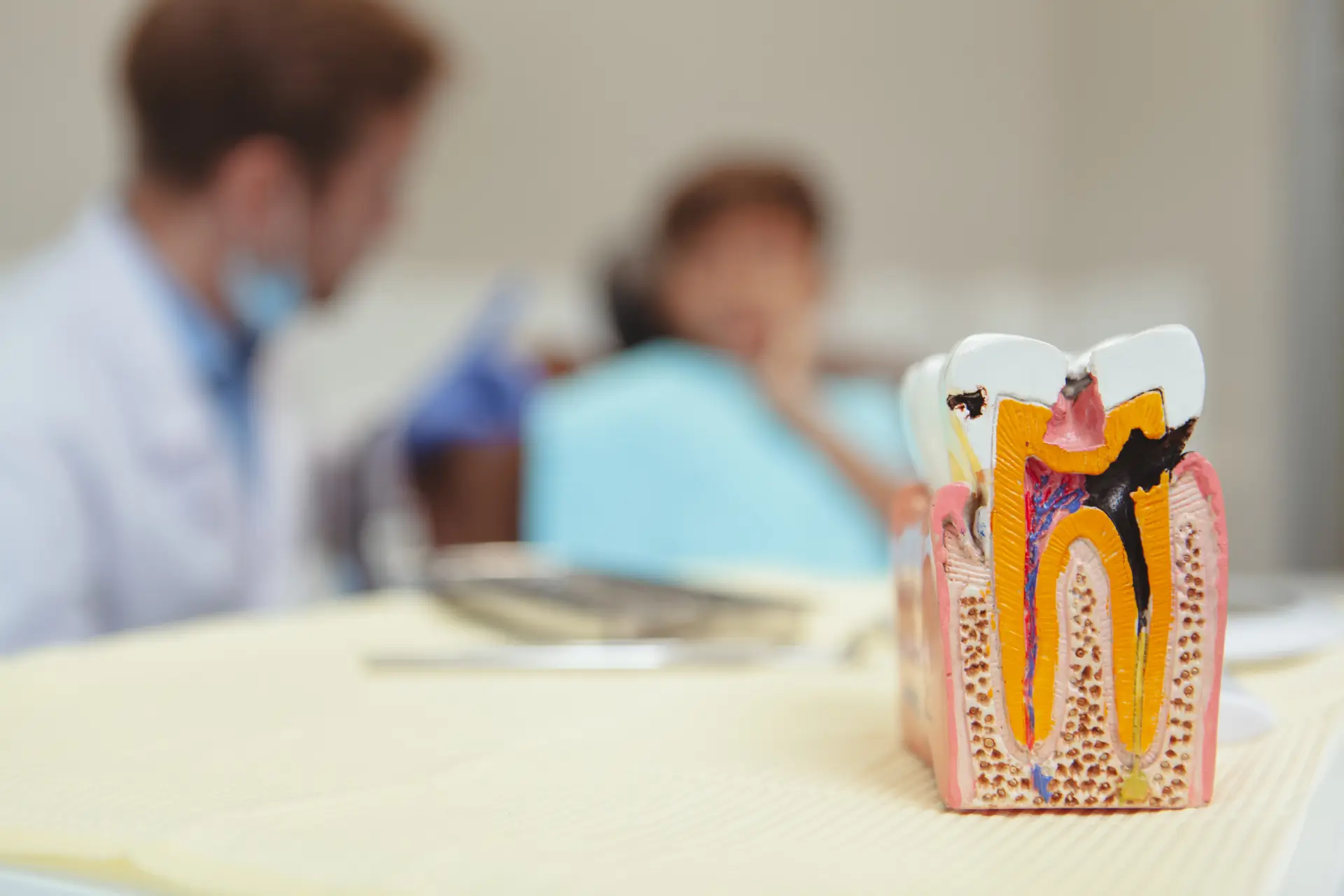
A dental abscess is a pocket of infection. It usually develops when bacteria enter the inner part of the tooth through deep decay, a crack, a leaking old filling, or advanced gum disease. Once bacteria reach the pulp, where the nerve and blood supply live, the tissue can become inflamed and infected. Pressure builds, the body responds, and the infection may drain through the gum or spread into nearby tissue.
Patients often describe it in very ordinary language. They say the tooth feels high when they bite, or that it throbs in time with their heartbeat. They notice a pimple-like bump on the gum, or they wake up with their cheek swollen. Some say the pain eased off suddenly, and they assumed that meant the problem had resolved. In practice, that can mean the nerve has died or the abscess has found a temporary drainage path. The infection may still be present, and sometimes that is when swelling becomes more obvious.
Not every dental infection looks the same. A front tooth abscess can produce dramatic swelling in the lip or under the nose. A back molar can create pressure in the jaw, ear, or cheek. Upper tooth infections can mimic sinus trouble. Lower molar infections can become especially concerning when they spread into spaces under the jaw or tongue.
Why swelling changes the situation
Pain matters, but swelling changes the level of urgency.
A toothache without swelling still needs prompt care, especially if it is sharp, constant, or wakes you from sleep. Once there is visible swelling, the infection is no longer only an internal tooth problem. It suggests the body is reacting beyond the tooth itself. That does not automatically mean a crisis, but it does raise the stakes.
One pattern experienced emergency dentists watch closely is rapid progression. A patient may call in the morning with mild cheek fullness and arrive by afternoon with significant facial swelling, tightness, and difficulty opening the mouth. Another warning sign is swelling that extends toward the eye, below the jawline, or into the floor of the mouth. These are not situations to monitor casually at home.
A practical way to think about it is this: pain tells you something is wrong, swelling suggests the infection may be advancing.
Signs that need immediate attention
Some abscesses can be seen the same day in a dental office and managed there. Others require hospital-level care, imaging, IV antibiotics, or evaluation by an oral surgeon. The distinction depends on where the infection is, how far it has spread, and how your body is responding.
Seek urgent evaluation right away if you have any of the following:
- Facial swelling that is increasing, firm, or spreading toward the eye or under the jaw.
- Fever, chills, or a general ill feeling along with tooth pain or gum swelling.
- Trouble swallowing, trouble breathing, or a feeling that your tongue or throat is crowded.
- Difficulty opening your mouth normally, especially if it is getting worse.
- Severe pain with pus drainage, a foul taste, or swelling after a broken tooth, deep cavity, or recent dental work.
These are not signs to sleep on. Infections in the mouth sit close to important facial spaces, the airway, and the bloodstream. Most dental abscesses do not become medical emergencies overnight, but some absolutely can.
Why home remedies are not enough
People try what they have on hand first. Salt water rinses, clove oil, cold compresses, alternating ibuprofen and acetaminophen, leftover antibiotics from a prior illness. Some of these measures can reduce discomfort temporarily. None of them removes the source of infection.
That source is usually inside the tooth or around the root. If the nerve is infected or dead, the treatment must address the tooth itself. In real terms, that usually means draining the infection, performing root canal treatment, removing the tooth, or treating a deep gum-related abscess. Antibiotics alone often do not solve the problem because antibiotics have limited ability to penetrate a tooth with a dead or compromised blood supply.
This is one of the most common reasons people feel better for a few days and then worsen again. The pressure drops, the swelling softens, and the ache eases after an antibiotic course. But if the infected tooth remains untreated, the problem can flare up weeks or months later, sometimes at the worst possible time, such as before travel, during a holiday weekend, or in the middle of the night.
What to do while you are trying to be seen
The hours before treatment matter. Good home care will not cure an abscess, but it can keep the situation from getting worse and make you more comfortable while you arrange emergency care.
Here is the short version of what generally helps:
- Use a cold compress on the outside of the face in short intervals if swelling is present.
- Rinse gently with warm salt water, especially if the gum is tender or draining.
- Take over-the-counter pain medication only as directed on the label, unless your physician has told you otherwise.
- Stay upright as much as possible, including when resting, because lying flat can increase throbbing.
- Do not place aspirin on the gum, and do not use leftover antibiotics without professional guidance.
Heat on the face is a mistake I have seen more than once. It feels soothing for a moment, but it can increase blood flow and aggravate swelling. Pressing on the area, trying to pop a gum bump, or delaying care because the pain improved are other common missteps.
What happens during an emergency dental visit
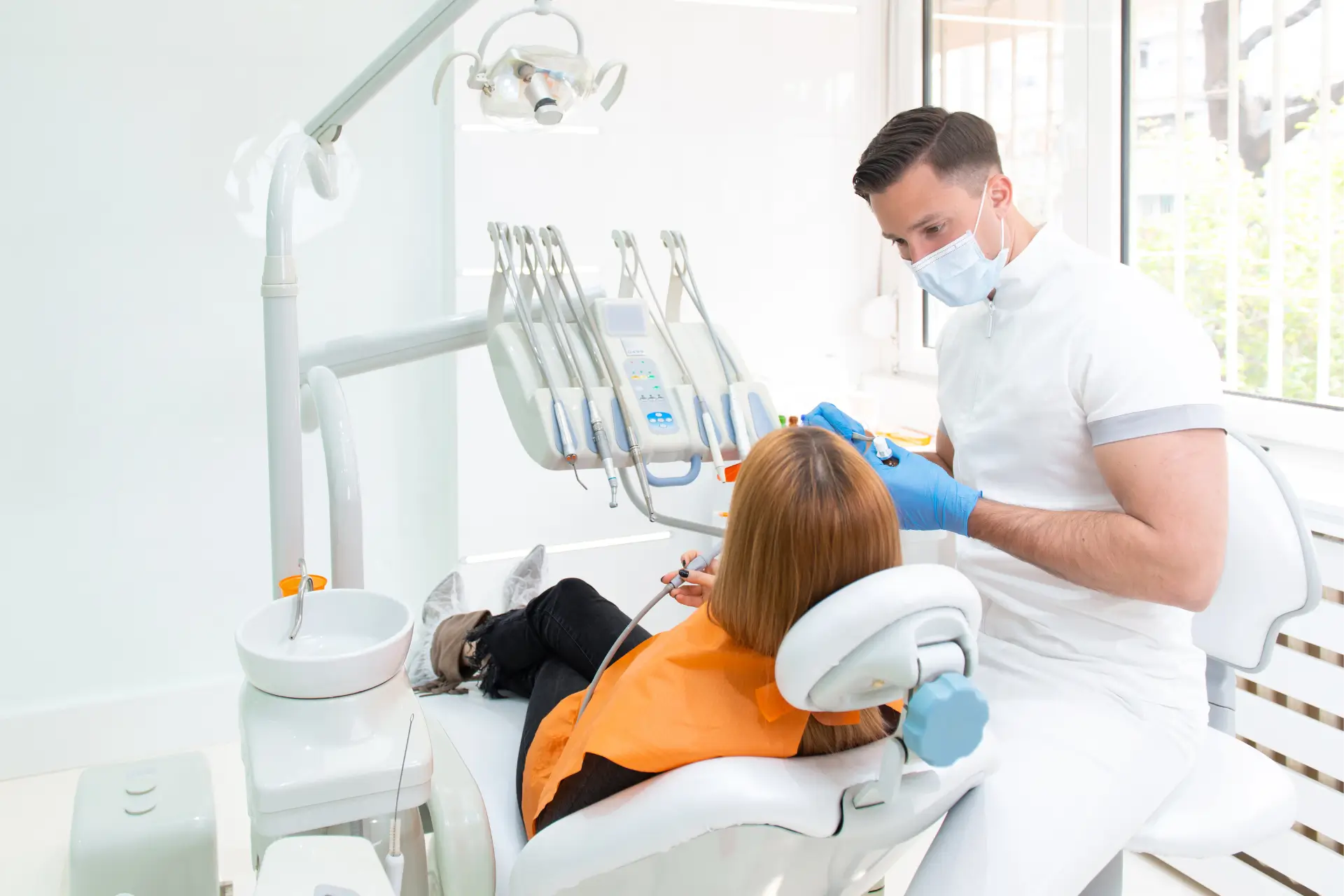
Emergency visits for abscesses are usually focused, not elaborate. The first goal is to determine where the infection is coming from and whether it can be treated safely in the office that day. A dentist will review symptoms, examine the area, test the tooth or teeth involved, and usually take an X-ray. Sometimes the cause is straightforward, such as a large cavity into the nerve. Sometimes it is more nuanced, such as a vertical crack, a failed root canal, or a gum infection that masquerades as tooth pain.
Patients are often surprised that the immediate visit is not always about “fixing everything” in one sitting. The urgent priority is controlling the infection and stabilizing the situation. Depending on the findings, that may include opening the tooth to relieve pressure, draining the swelling through the gum, prescribing medication when indicated, starting root canal treatment, or removing a tooth that cannot be saved.
There is a real judgment call here, and it matters. Draining an abscess can bring quick relief, but drainage without addressing the source offers only temporary control. Extracting a tooth may stop the infection, but if the tooth is strategically important and restorable, preserving it through root canal therapy may be the better long-term decision. The right choice depends on the extent of damage, the patient’s medical history, cost considerations, timing, and whether the area is too swollen to numb easily or treat definitively that day.
The difference between antibiotics and definitive treatment
This is where a lot of frustration begins. Someone gets antibiotics from urgent care, the pain improves, and they assume the problem is handled. Then the tooth flares again.
Antibiotics have a role, but they are not the same as treatment. They are most useful when there is swelling, spreading infection, fever, or a risk that local drainage https://josuehmyf062.iamarrows.com/dental-emergency-plano-tx-for-nighttime-tooth-pain alone will not be enough. They can reduce bacterial load and help the body get ahead of the infection. What they do not do is remove decay, clean out infected root canals, seal a cracked tooth, or extract a non-restorable molar.
Think of it as controlling the fire around the structure without rebuilding the structure itself. Once the acute infection settles, the underlying tooth still needs attention. If it is left alone, relapse is common.
That is why experienced emergency dentists are careful with antibiotics. Prescribing them casually for every toothache is poor practice. Using them when swelling and infection call for them is appropriate. The key is to pair the prescription with a real treatment plan and a clear timeline.
Root canal or extraction, how the decision gets made
Many people arrive assuming there are only two choices, save the tooth at any cost or pull it immediately. In reality, the decision is more practical than emotional, and several factors shape it.
If the tooth has enough remaining structure, solid bone support, and a restorable crown portion, root canal therapy may be an excellent option. Modern root canal treatment is designed to clean the infected canal space, disinfect it, and seal it so the tooth can function again. For many abscessed teeth, especially front teeth and strategically important molars, this is a reliable path.
If the tooth is split, severely decayed below the gumline, loose from advanced gum disease, or repeatedly infected after prior treatment, extraction may be the wiser choice. There is no virtue in spending money to save a tooth with a poor long-term prognosis. Good dental care is not about preserving every tooth at all costs. It is about preserving health, function, and predictability.
The most thoughtful conversations happen when dentists explain the trade-offs clearly. Saving a tooth usually costs more up front and may involve root canal treatment, a buildup, and a crown. Removing a tooth can be faster and less expensive in the short term, but replacing it later with a bridge, partial, or implant may carry its own cost and timing issues. There is no universal right answer, only the right answer for that tooth and that patient.
When swelling means the emergency is no longer just dental
Most dental abscesses belong first in a dental office. A smaller number need emergency medical care because the infection is affecting swallowing, breathing, hydration, or deeper tissue spaces.
This distinction matters in Plano, as it does anywhere. Patients sometimes call a dental office when they really need the ER first, particularly if they have pronounced neck swelling, fever, difficulty swallowing saliva, or cannot open their mouth enough to allow examination. Children, older adults, and patients with diabetes, immune suppression, or recent chemotherapy deserve especially careful attention because infections can behave more aggressively or become harder to contain.
I have seen patients minimize symptoms because they did not want to “overreact.” The problem is that mouth and facial infections do not always announce themselves with dramatic pain. Sometimes the most concerning cases are oddly numb, tight, or pressurized rather than excruciating. If the swelling is spreading or basic functions like swallowing are changing, it is no longer about whether you can tough it out.
Special concerns for children and teens
An abscess in a child can be easy to miss at first. Kids do not always describe dental pain accurately. They may say a tooth feels “funny,” avoid chewing on one side, wake during the night, or become irritable at meals. Swelling around a baby tooth may look small, but that does not make it trivial. Infection can still spread, and untreated dental pain affects eating, sleep, and school.
Primary teeth matter more than people think. They help guide permanent teeth, maintain space, and support normal speech and development. Sometimes an infected baby tooth can be treated. Other times it needs to be removed. The right choice depends on how close the tooth is to naturally falling out, how severe the infection is, and whether the developing permanent tooth could be affected.
Teenagers add another wrinkle because sports injuries, orthodontic appliances, and partially erupted wisdom teeth can confuse the picture. A swollen gum near the back of the mouth may be an infection around an erupting wisdom tooth rather than a cavity-related abscess. It is still urgent if swelling, pain, or limited opening are involved.
What people in Plano often ask first
The first question is usually simple: can I wait until tomorrow? Sometimes yes, often no. If there is visible facial swelling, worsening pressure, fever, or spreading pain, same-day care is the safer standard.
The second question is whether the dentist can treat it that day or only prescribe medication. That depends on the source, the amount of swelling, how easily the area can be anesthetized, and whether the tooth is salvageable. Good emergency care is rarely one-size-fits-all.
The third question is cost, and it is a fair one. Emergency dental treatment can range from an exam and X-ray to drainage, extraction, or starting a root canal. A reputable office will usually explain what must be done immediately and what can be scheduled after the acute problem is under control. That distinction helps patients make informed decisions under stress.
When people search Dental Emergency Plano TX, they are not looking for abstract dental advice. They want a real answer to a real problem, often outside normal hours, when they are swollen, tired, and worried. The most helpful care combines urgency with calm judgment.
Recovery after treatment
Once the source of infection has been treated, most patients feel a shift quickly. Pressure eases first. The deep throbbing tends to settle. Swelling may take longer, often a few days to noticeably improve, depending on how advanced the infection was and whether drainage occurred.
It is normal for the area to remain tender after treatment. It is not normal for swelling to keep increasing or for fever to begin after the visit. Those changes need prompt follow-up. Patients should take prescribed medication exactly as directed, avoid stopping antibiotics early unless the treating clinician advises otherwise, and return for the definitive phase of care, whether that is finishing root canal treatment, placing a crown, checking healing, or discussing tooth replacement.
A practical point that is easy to overlook: teeth that have been opened for emergency relief or partially treated are not “done.” Temporary materials are just that, temporary. Missing the follow-up visit is how a controlled emergency becomes a repeat emergency.
Preventing the next abscess
Most abscesses do not appear out of nowhere. They tend to grow out of existing problems that were small enough to ignore until they were not. A cavity that lingered. A cracked filling. A tooth that hurt only with cold for a few months. Bleeding gums that were dismissed as normal. The body often gives a long runway before the emergency arrives.
Routine exams and X-rays matter because they catch the quiet phase. So does dealing with a chipped tooth before bacteria move inward. Night grinding deserves attention too, since cracked teeth can become infection-prone teeth. For patients with a history of repeated dental infections, the pattern is often less about “bad luck” and more about delayed treatment, fractured restorations, or inconsistent maintenance.
The goal is not perfection. It is reducing the chances that a manageable dental issue turns into a swollen face on a Saturday night.
Knowing when to act
There is a difference between a mild irritation and a true Dental Emergenc, and the presence of swelling is often the line that separates them. If you have an abscessed tooth, a tender gum boil, cheek swelling, fever, or pain that is escalating rather than fading, it is time to be evaluated promptly. If swallowing, breathing, or jaw opening is affected, treat that as immediate.
Dental infections are usually very treatable when handled early. They become disruptive, expensive, and occasionally dangerous when people wait for certainty they will never get at home. If your face is swelling or a tooth feels infected, trust the signal. The right emergency dental care can relieve pain, control infection, and keep a bad night from becoming a much bigger problem.
Vitality Dental
Address: 1220 Coit Rd #106, Plano, TX 75075
Phone number: +19726454100
FAQ About Dental Emergency Plano TX
What can the ER do for a tooth?
An emergency room (ER) can manage pain and treat severe infections with medication, but it cannot fix or pull a tooth.
What is considered a dental emergency?
A dental emergency is any oral health problem that involves severe pain, uncontrollable bleeding, or an infection that threatens your health or requires immediate care to save a tooth.
Is there a 24-hour dental service in Plano, TX?
There is no physical dental clinic in Plano, Texas, that stays open with walk-in staff 24 hours a day, but several offices offer 24/7 phone support, late-night hours, or same-day emergency care.